
Views: 0 Author: Site Editor Publish Time: 2026-04-02 Origin: Site


Curtain wall systems are an essential component of modern architecture, widely used in high-rise buildings, commercial complexes, and contemporary residential structures. These systems serve as the exterior façade, providing protection from environmental elements while enhancing aesthetics and energy efficiency. Unlike traditional load-bearing walls, curtain walls are non-structural, which means they are supported by the building’s structural frame and carry only their own weight along with environmental loads such as wind and seismic forces. Understanding how curtain wall systems work is critical for architects, engineers, and building owners seeking to optimize building performance, durability, and design flexibility.
Modern curtain wall systems combine advanced materials, precise engineering, and innovative installation techniques. They allow for expansive glass façades, increased natural lighting, and seamless integration of mechanical, thermal, and acoustic features. From unitized to stick-built systems, curtain walls are designed to address safety, energy efficiency, and aesthetic requirements. This article provides a comprehensive guide to how curtain wall systems function, including their components, types, structural behavior, installation methods, maintenance, and long-term performance. Additionally, it explains why Jiangsu Andy Steel Structure Co., Ltd. provides reliable and durable curtain wall solutions for a variety of construction projects worldwide.
A curtain wall system is a non-load-bearing exterior wall that separates the interior of a building from the exterior environment. Its primary functions include:
Protecting the building from wind, rain, and other environmental factors
Providing thermal and acoustic insulation
Allowing natural daylight to penetrate interior spaces
Contributing to the building’s overall aesthetic and architectural expression
Curtain walls are supported by the building’s structural frame, typically through vertical mullions and horizontal transoms, which transfer the curtain wall’s weight and environmental forces to the structure.
The performance of a curtain wall system depends on its individual components, which include:
Component | Description |
Mullions and Transoms | Vertical and horizontal structural members that provide support for infill panels |
Glazing Panels | Transparent, tempered, or laminated glass that allows natural light while maintaining safety |
Spandrel Panels | Opaque panels that cover structural elements or mechanical floors |
Sealants and Gaskets | Ensure weatherproofing and air-tightness |
Anchoring and Bracket Systems | Connect the curtain wall to the building frame while accommodating movement |
Each component plays a vital role in structural integrity, weather resistance, and energy efficiency.
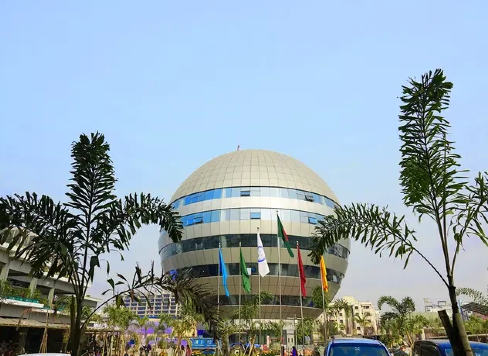
Stick-built curtain walls are assembled on-site by installing individual vertical mullions and horizontal transoms before inserting the glazing or panel units. Key features include:
Flexibility to accommodate custom building dimensions
Cost-effectiveness for mid-rise buildings
Ease of replacement or repair of individual components
Despite being labor-intensive, stick-built systems allow for adaptability in projects with complex geometries or irregular façades.
Unitized curtain walls are pre-assembled in factory-controlled conditions and shipped as complete modules to the construction site. Modules are lifted into place and anchored to the building structure. Advantages include:
Rapid on-site installation
Higher quality control due to factory assembly
Reduced construction waste and labor requirements
Unitized systems are commonly used in high-rise buildings where precision, speed, and consistency are critical.
Structural glazing involves bonding glass panels directly to the frame using high-strength sealants, creating a seamless and uninterrupted façade. Features of this system include:
Modern and sleek appearance with minimal visible framing
Maximized daylight penetration
Reduced visual obstruction from mullions and transoms
Structural glazing is widely used in corporate offices and commercial high-rises where architectural aesthetics are a primary concern.
Glass is the most prominent element in curtain walls and varies in type depending on performance requirements:
Tempered glass: Provides strength and safety
Laminated glass: Prevents shattering and enhances security
Low-E glass: Reduces thermal transfer for energy efficiency
Tinted or reflective glass: Minimizes solar heat gain and glare
The choice of glass impacts energy efficiency, daylighting, and building aesthetics.
Aluminum is the most commonly used material for curtain wall frames due to its lightweight nature, corrosion resistance, and fabrication ease. Steel and stainless steel are also used for larger spans or where additional structural strength is required. Thermal breaks incorporated into the framing improve energy efficiency by reducing heat transfer.
Opaque spandrel panels conceal structural components or mechanical floors. Materials include metal composites, stone, terracotta, or pre-finished panels. These panels not only improve visual continuity but also contribute to the thermal performance of the façade.
High-quality sealants and gaskets are essential for preventing air leakage, water penetration, and thermal bridging. Proper application ensures long-term performance and minimal maintenance requirements.
Although curtain walls are non-load-bearing, they must transfer their own weight, wind loads, and seismic forces to the structural frame. Vertical mullions channel forces to horizontal transoms and then to anchors or brackets attached to the building’s structure. This load transfer ensures the curtain wall remains stable while allowing for building movement due to wind or thermal expansion.
Curtain walls work as a protective barrier against weather, controlling air and water infiltration. The combination of sealed glazing units, gaskets, and properly installed flashing prevents water from entering the building envelope and reduces heat loss, enhancing energy efficiency.
Curtain walls are designed to maintain comfortable interior conditions by minimizing heat gain in summer and heat loss in winter. Multi-layered glazing units, insulated framing, and spandrel panels also contribute to sound reduction, improving indoor acoustic quality.
Buildings naturally expand and contract due to temperature changes, wind, and structural loads. Curtain wall systems incorporate flexible joints, slip tracks, and expansion accommodations to allow movement without damaging the façade or compromising performance.
Before installation, the structural frame is inspected for alignment, levelness, and anchoring points. Accurate site preparation ensures that the curtain wall system performs correctly and avoids structural stress or leaks.
For stick-built systems, vertical and horizontal frame members are installed sequentially, followed by panel installation. For unitized systems, pre-assembled modules are lifted into place and anchored to the frame. Structural integrity, alignment, and anchoring are carefully checked during installation.
Glass and spandrel panels are inserted into the frame and secured using gaskets, sealants, or bonding adhesives. Proper spacing and alignment are essential to ensure airtight and watertight performance.
Sealants, flashing, and gaskets are inspected for continuous coverage to prevent leaks. Final inspections confirm that the façade meets design specifications for structural stability, water resistance, and thermal performance.
Glass and metal components should be cleaned periodically to maintain appearance and prevent corrosion or staining. Automated cleaning systems may be used for high-rise façades.
Seals and gaskets should be inspected for deterioration and replaced when necessary to maintain weatherproofing and thermal performance.
High-rise curtain walls may require monitoring for deflection, movement, or thermal expansion. Periodic assessment ensures continued safety and performance over the lifespan of the building.
Any damaged panels, framing members, or seals should be replaced promptly. Using high-quality materials ensures durability and reduces future maintenance costs.
Curtain walls allow architects to create sleek, modern façades with large areas of uninterrupted glass. They enhance the visual identity of a building and contribute to contemporary architectural expression.
Properly designed curtain walls improve daylighting, reduce HVAC loads, and enhance sustainability. Features like Low-E glass, insulated frames, and spandrel panels contribute to energy conservation.
Curtain walls shield interiors from wind, rain, and solar heat, while also providing acoustic insulation. The façade serves as a barrier that improves occupant comfort and protects building components.
Engineered to withstand wind loads, seismic activity, and thermal expansion, curtain walls maintain structural integrity and occupant safety. High-quality materials and proper installation ensure long-term durability.
Curtain wall systems function as non-load-bearing exterior façades that combine protection, aesthetics, energy efficiency, and structural performance. They achieve this through careful selection of materials, precise engineering, and innovative installation methods. Understanding how curtain walls work enables architects, engineers, and building owners to design façades that meet performance, safety, and visual requirements.
For developers seeking durable and high-performance curtain wall systems, Jiangsu Andy Steel Structure Co., Ltd. provides reliable solutions designed for modern architectural demands. Partnering with an experienced manufacturer ensures optimal performance, safety, and longevity for commercial, residential, and high-rise projects.
Q: What is a curtain wall system?
A: A curtain wall system is a non-load-bearing exterior façade supported by the building’s structural frame, providing weather protection and aesthetic appeal.
Q: How does a curtain wall differ from a window wall?
A: Curtain walls are hung from the structural frame and allow continuous façades, while window walls are floor-to-floor modular systems supported by slabs.
Q: What materials are used in curtain wall systems?
A: Common materials include aluminum or steel frames, tempered or laminated glass, spandrel panels, and high-quality sealants and gaskets.
Q: What are the advantages of curtain walls?
A: Curtain walls provide aesthetic appeal, energy efficiency, environmental protection, and long-term durability for modern buildings.


