
Views: 0 Author: Site Editor Publish Time: 2026-06-25 Origin: Site


Selecting the wrong structural framing carries serious consequences. It directly leads to compounding budget overruns, delayed timelines, and severely compromised facility performance. The stakes are incredibly high when you lay the groundwork for a new building. Developers and engineers constantly face a difficult balancing act. You must carefully weigh immense load-bearing requirements against the demand for speed-to-market. Fluctuating material costs further complicate this critical project decision.
We will move beyond generic "strong versus cheap" debates. This guide provides a rigorous, compliance-aware framework. You will learn exactly how to evaluate which structural system aligns perfectly with your specific architectural, operational, and financial parameters. By the end, you will know exactly how to leverage a Steel Structure to achieve superior project outcomes.
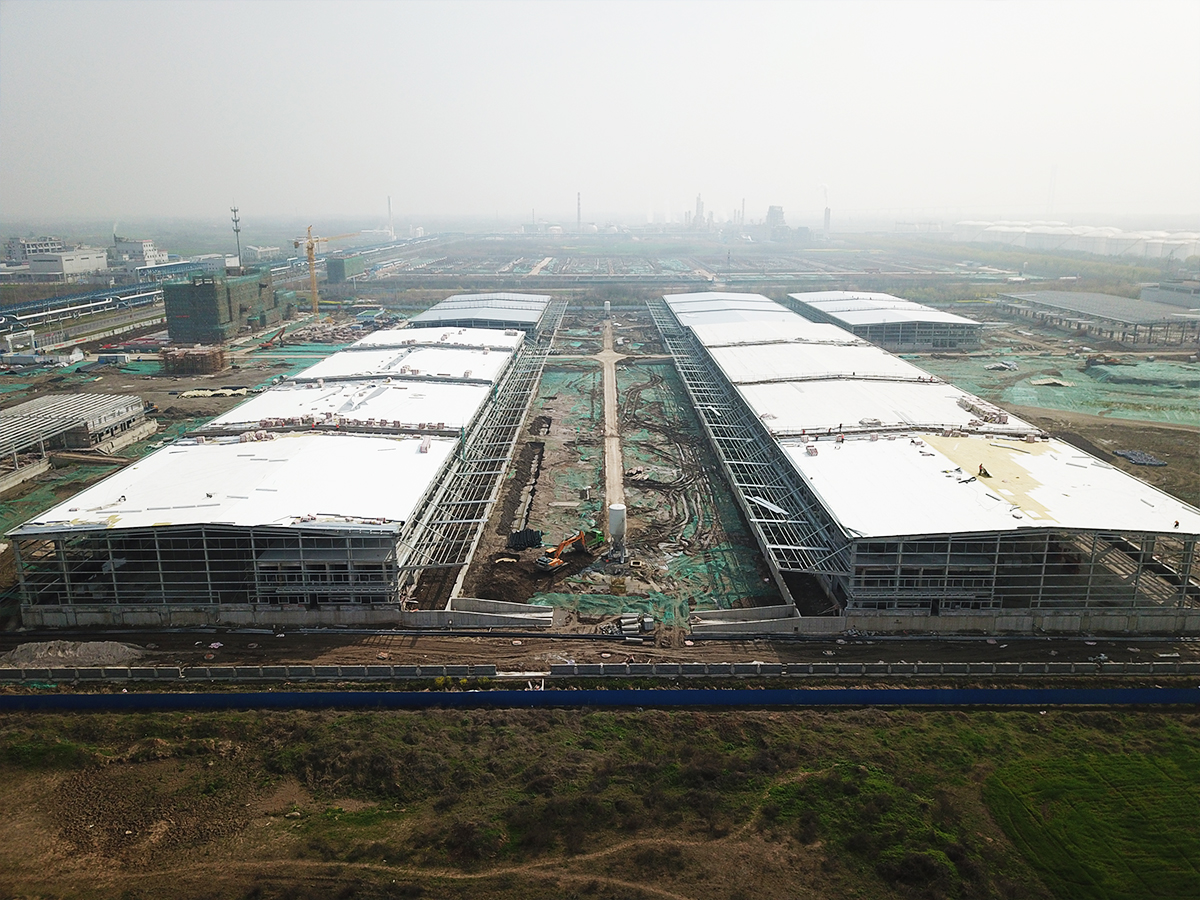
Heavy Steel Structures (hot-rolled) remain non-negotiable for high-clearance, heavy-load industrial applications and dynamic environments (e.g., factories with overhead cranes).
Light Steel Structures (cold-formed/light gauge) offer superior ROI for mid-rise commercial, residential, and modular projects due to rapid assembly and reduced foundation requirements.
Cost Realities: Light steel lowers foundational and on-site labor costs, while heavy steel requires higher upfront material and heavy equipment investments but offers unmatched span capabilities.
Hybrid Solutions: Many modern commercial facilities optimize costs by utilizing heavy steel for primary load-bearing frames and light steel for secondary framing and partitions.
You must understand the manufacturing differences before comparing performance. Industry standards dictate distinct production methods for different structural frames. These methods define the physical limits of the final building.
Definition: Mills manufacture heavy structural components via hot-rolling. They process the metal at extreme temperatures exceeding 1,700 degrees Fahrenheit. This extreme heat makes the metal highly malleable. It allows manufacturers to shape robust I-beams, massive H-columns, and thick structural channels. The final product cools and hardens into an incredibly dense framing member.
Primary Function: These hot-rolled components serve as primary load-bearing frameworks. They are engineered to support massive dead and live loads. When you build a facility requiring immense structural resilience, hot-rolled sections are mandatory. They handle extreme physical stress without yielding. Engineers rely on them for skyscrapers, large industrial plants, and massive infrastructure projects.
Definition: Manufacturers form light gauge framing at room temperature. They feed thin sheets of galvanized steel through advanced roll-forming machines. This cold-forming process increases the yield strength of the metal. It produces precise, lightweight studs, tracks, and joists without applying external heat.
Primary Function: Light gauge systems excel at fast-track assembly. Crews use them primarily for secondary framing and panelized construction. They also serve as the main load-bearing walls for low-to-mid-rise buildings. You will frequently see this Steel Structure system in modern residential housing, modular units, and commercial partitions. It offers an excellent strength-to-weight ratio for predictable environments.
Project outcomes matter more than isolated material traits. We must evaluate these structural systems based on real-world performance dimensions. This comparative analysis helps you align the structural frame with your specific business goals.
Heavy: Hot-rolled systems enable massive clear-span designs. Engineers can routinely design spans from 30 meters to over 60 meters without using interior columns. This incredible spanning capability is ideal for unobstructed warehouse space. It allows forklifts and automated guided vehicles to move freely. You maximize usable floor area for manufacturing lines or bulk storage.
Light: Cold-formed systems have a highly limited clear-span capacity. They cannot support wide, open roofs without extensive support. Therefore, they are best suited for compartmentalized floor plans. Unreinforced light spans generally stay under 10 to 12 meters. If you need wide-open spaces, light gauge framing requires heavy reinforcement. This negates its primary cost advantage.
Heavy: Erecting a hot-rolled building requires highly complex logistics. You must coordinate heavy lifting cranes and specialized transport vehicles. The assembly demands on-site welding, heavy bolting, and rigorous safety inspections. Custom fabrication also requires extended lead times. You must finalize designs early to secure mill production slots.
Light: Factories engineer light gauge systems off-site using CAD/CAM software. The framing arrives as lightweight, pre-punched, panelized kits. This precision eliminates on-site guesswork. Workers assemble the panels rapidly using simple hand tools. This process drastically reduces expensive labor hours. It also minimizes material waste and site disruption.
Heavy: You will face high initial material costs due to sheer weight. The immense load also demands deep, expensive concrete foundations. However, you realize long-term ROI through extreme durability. These structures offer exceptional asset longevity. They provide the necessary capacity for heavy industrial output and future facility expansion.
Light: You benefit from much lower initial material costs. The lightweight nature allows for cheaper, shallower foundation requirements. You realize ROI through much faster occupancy. This rapid time-to-market allows businesses to generate revenue sooner. You also save significantly on domestic and international shipping costs.
Evaluation Metric | Heavy Steel (Hot-Rolled) | Light Steel (Cold-Formed) |
|---|---|---|
Clear-Span Capacity | 30m to 60m+ (Column-free) | Under 10m-12m (Requires partitions) |
Assembly Speed | Slower, requires complex logistics | Extremely fast, panelized kits |
Foundation Demands | Heavy, deep concrete required | Light, shallow foundations sufficient |
Primary ROI Driver | Asset longevity and heavy industrial use | Speed to market and lower labor costs |
Matching the material to the use case prevents catastrophic engineering failures. Do not exaggerate the versatility of either material. Each system dominates specific sectors based on predictable structural demands.
Optimal Choice: Heavy Steel.
Why: Industrial facilities require robust support for dynamic loads. Machinery vibrations stress the building frame constantly. Multi-ton overhead bridge cranes exert massive forces on columns. Heavy sections absorb these dynamic shifts safely. They also meet stringent seismic and wind load codes for massive interior volumes. When building a stamping plant or steel mill, hot-rolled frames are structurally mandatory.
Optimal Choice: Light Steel (or Hybrid).
Why: These sectors prioritize speed and predictable costs. Light gauge framing is superior for mid-rise apartments, boutique hotels, and office buildings. The structural loads in these buildings are highly predictable. The floor plans are highly repetitive. This repetition maximizes the efficiency of off-site roll-forming. A light Steel Structure accelerates the drying-in phase, allowing interior trades to start work sooner.
Optimal Choice: Context-dependent (often Light to Medium).
Why: The agricultural sector spans a massive range of building needs. You must evaluate the specific daily function of the agricultural building.
Simple Storage: Light framing dominates equipment sheds and simple hay storage. It provides excellent weather protection at a low cost.
Large-Scale Processing: Medium or heavy framing is strictly required for grain processing facilities. Moving grain creates enormous lateral pressure.
Heavy Equipment Housing: Storing massive combine harvesters requires wide door clearances. Heavy framing provides the necessary header support without sagging.
Every construction system carries inherent field risks. You must evaluate these limitations honestly before breaking ground. Understanding engineering challenges helps you budget for necessary mitigation strategies during the design phase.
Thermal Bridging & Condensation: Steel possesses a highly conductive nature. It transfers heat rapidly across the building envelope. This causes severe thermal bridging. You must install specialized continuous exterior insulation. Without it, you face massive energy loss. Moisture will also build up inside the wall cavities, risking mold in residential and commercial builds.
Acoustic Transmission: Sound travels exceptionally well through rigid metal frames. This is a major drawback for multi-family housing. You cannot simply install drywall over light gauge studs. You must use proper acoustic isolation clips and resilient channels. Adding sound-dampening insulation layers is mandatory to meet modern acoustic building codes.
Fire-Rating Complexities: Light gauge components are non-combustible. They will not add fuel to a fire. However, thin metal loses its yield strength rapidly at high temperatures. The studs will buckle under heat stress. Therefore, you must strictly adhere to fire-rated drywall assemblies. The structural integrity relies entirely on intumescent coatings and protective gypsum layers.
Foundation Reliance: The immense dead weight of hot-rolled metal dictates your foundation budget. You must pour deep, incredibly expensive concrete footings. Poor soil conditions amplify this cost exponentially. You may need to drive deep piles before erecting the first column.
Modification Difficulty: Field modifications are notoriously difficult. It is incredibly hard to retrofit hot-rolled beams on-site. If architectural changes occur mid-construction, you face severe delays. You must deploy specialized field welders and drillers. Reworking heavy steel destroys project timelines and rapidly inflates the contingency budget.
You need an actionable path forward. Use this compliance-aware checklist during your evaluation stage. It will help you quickly eliminate the wrong framing options for your specific project.
Assess Load Requirements: Evaluate your internal operations. Will the building house heavy suspended equipment? Do you plan to install overhead bridge cranes? Does your floor plan require massive open spans without columns? If you answer yes to these questions, you must specify a heavy structural frame.
Evaluate Project Timelines: Analyze your financial pressure. Is rapid ROI the primary driver? Do you need fast occupancy to secure tenant leases? Are your site logistics constrained, preventing heavy crane access? If speed and tight site access dictate the project, you must choose light, panelized framing.
Review Code & Compliance Constraints: Check your local municipal codes. Investigate the specific seismic zones for your plot. Review the wind uplift codes for your geographic region. Ensure your chosen system can achieve the mandated fire-resistance ratings required for your occupancy type.
Hybrid Evaluation: Always consult your structural engineering partner about hybrid models. Ask them if combining systems is the most capital-efficient route. You can often use heavy main frames for the primary load. You then use light gauge purlins, girts, and interior partitions. This hybrid approach frequently optimizes the overall material budget.
Neither framing system is universally superior for every project. The optimal choice is strictly dictated by your specific structural demands. You must weigh your clear-span requirements, dynamic loads, and precise project timeline.
Take proactive steps to secure your project's success. Move beyond generic cost-per-square-foot estimates immediately. Engage experienced structural engineers to conduct a comprehensive lifecycle cost analysis. Base this analysis entirely on your specific architectural schematics. Reach out to a qualified fabrication partner today for a rigorous structural consultation and an accurate material quote.
A: Yes. This is a standard hybrid approach where heavy steel provides the primary skeleton (columns/rafters) and light steel serves as the secondary framing (roof purlins, wall girts) to optimize costs.
A: Both are non-combustible, but heavy steel inherently withstands heat longer due to mass. Both require fireproofing (spray-on coatings, intumescent paint, or fire-rated board), but light steel relies entirely on its protective assembly to meet code.
A: Yes, when engineered correctly. Light steel has an excellent strength-to-weight ratio and flexibility, allowing it to absorb seismic energy effectively, making it highly suitable for earthquake-prone regions up to certain heights.
A: With proper galvanization and anti-corrosion treatments, both systems can last well over 50-100 years. Lifespan is dictated more by moisture management and environmental exposure than the gauge of the steel itself.


