


In modern architecture, curtain walls have become a defining element in building design, offering both aesthetic appeal and functional benefits. A curtain wall is an exterior building façade that is non-structural, designed to protect the interior from weather while allowing natural light to enter. Unlike load-bearing walls, curtain walls are hung from the structural frame, giving architects the flexibility to create sleek, modern, and energy-efficient designs.
The adoption of curtain walls spans commercial buildings, high-rise apartments, office towers, and public structures. These systems are praised for their ability to integrate advanced materials, including glass, aluminum, steel, and composite panels, into visually striking façades that meet safety, thermal, and acoustic requirements. For engineers, designers, and developers, understanding curtain wall design principles, materials, installation methods, and maintenance is crucial for delivering high-quality building solutions.
This article provides a comprehensive overview of curtain walls, including their types, design considerations, materials, installation techniques, maintenance practices, and their role in modern architecture. It also highlights the benefits of sourcing curtain wall systems from Jiangsu Andy Steel Structure Co., Ltd., a trusted manufacturer offering durable and innovative solutions for construction projects.
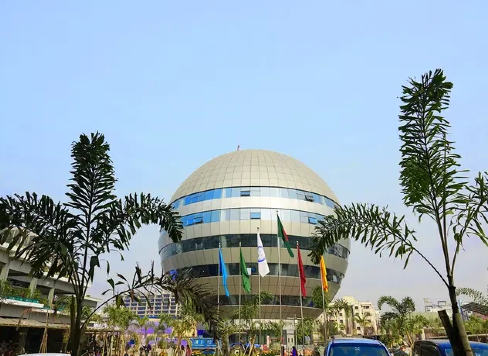
A curtain wall is a non-load-bearing exterior wall system attached to the building’s structural frame. Its primary functions are to:
Protect the interior from environmental elements, such as wind, rain, and temperature fluctuations
Allow natural daylight to penetrate interior spaces
Provide thermal and acoustic insulation
Enhance the building's aesthetic appearance
Because curtain walls are non-structural, they transfer only their own weight and environmental forces to the structural frame, allowing architects to use lightweight, flexible materials to achieve desired designs.
Curtain walls typically include a combination of the following elements:
Component | Description |
Glazing Panels | Tempered or laminated glass for transparency and safety |
Mullions and Transoms | Vertical and horizontal framing members supporting panels |
Spandrel Panels | Opaque elements for mechanical floors or aesthetic design |
Sealants and Gaskets | Prevent air and water leakage and provide weatherproofing |
These features work together to create a functional façade that balances light, safety, energy efficiency, and visual appeal.
The stick system is constructed by assembling individual vertical mullions and horizontal transoms on-site. Glass panels or infill materials are then installed between the frame members. This system is advantageous for its:
Flexibility in custom dimensions
Cost-effectiveness for medium-rise buildings
Ease of on-site adjustments
However, stick systems typically require more time for assembly compared to unitized systems.
Unitized systems are pre-assembled modules manufactured in a factory, containing both the frame and glazing panels. These modules are shipped to the site and installed as a complete unit. Benefits include:
Faster installation
Higher quality control due to factory fabrication
Reduced site labor and waste
Enhanced water and air tightness
Unitized curtain walls are widely used in high-rise buildings, where precision, speed, and durability are critical.
Structural glazing refers to a system where glass panels are bonded directly to the frame using high-strength structural sealants. The external frame is often hidden, creating a seamless glass façade. Advantages include:
Modern, sleek appearance
Maximized transparency
Reduced visual obstruction from framing members
This type is popular in corporate and commercial high-rises seeking a modern aesthetic.
Semi-unitized curtain walls combine elements of stick and unitized systems. Frames may be prefabricated but assembled partially on-site. This system offers a balance between cost, installation speed, and flexibility.
Glass is the most common material for curtain wall infill. Options include:
Tempered glass: High strength and safety
Laminated glass: Prevents shattering upon impact
Low-E glass: Enhances thermal performance
Tinted or reflective glass: Reduces solar heat gain and glare
Glass choice impacts daylighting, energy efficiency, and the building’s aesthetic.
Curtain wall frames are typically made from:
Aluminum: Lightweight, corrosion-resistant, and easy to fabricate
Steel: Offers high strength for larger spans
Stainless steel or coated alloys: Enhance durability and aesthetic appeal
Material selection influences structural performance, thermal expansion, and maintenance requirements.
Opaque spandrel panels, often used to conceal structural elements or mechanical floors, can be made from:
Metal composites
Stone or terracotta
Precast concrete panels
These materials contribute to the visual continuity and energy performance of the façade.
Although curtain walls are non-load-bearing, they must withstand wind loads, seismic forces, and the weight of infill panels. Proper design ensures:
Safe transfer of forces to the structural frame
Resistance to deflection and deformation
Compatibility with building movement under thermal expansion or wind sway
Energy efficiency is a key design driver. Proper curtain wall systems minimize:
Heat gain in summer
Heat loss in winter
Air leakage and condensation
Insulated glazing units (IGUs) and thermal breaks in framing members improve the building envelope’s energy performance.
Curtain walls can be designed to reduce noise intrusion from external sources, using laminated glass, acoustic seals, and multi-layered panels. This is especially important in urban environments.
Curtain walls must comply with fire safety codes, including the use of fire-rated glass, spandrel barriers, and non-combustible framing where required. Proper design prevents the spread of fire and protects occupants.
Before installation, the building structure must be inspected to ensure alignment, level surfaces, and anchoring points. Any discrepancies can affect curtain wall performance and longevity.
For stick systems, vertical mullions and horizontal transoms are assembled on-site. For unitized systems, pre-assembled modules are lifted into place using cranes and anchored securely to the structural frame.
Glass or infill panels are installed within the frame using gaskets, sealants, or structural glazing adhesives. Care is taken to maintain alignment, spacing, and weatherproofing.
Joint sealants, gaskets, and flashing ensure that the curtain wall is airtight and watertight. Proper sealing prevents water ingress, air leakage, and energy loss.
After installation, inspections confirm that all panels are correctly positioned, seals are intact, and the façade performs as intended. Any issues are corrected to maintain durability and safety.
Glass and metal surfaces should be cleaned to remove dirt, pollution, and debris. Cleaning maintains aesthetics and prevents corrosion or staining on metal frames.
Seals and gaskets should be inspected periodically for cracks or wear. Replacing deteriorated sealants maintains weatherproofing and thermal performance.
Monitoring for deflection, movement, or corrosion ensures that the curtain wall remains safe under environmental loads. High-rise buildings may benefit from periodic professional assessments.
Damaged panels or components must be repaired or replaced promptly to maintain façade performance and safety. Using high-quality replacement materials ensures long-term durability.
Curtain walls allow architects to create modern, sleek façades with expansive glazing and varied materials. They contribute significantly to a building’s visual identity.
With appropriate glass, thermal breaks, and insulated framing, curtain walls improve daylighting, reduce HVAC loads, and enhance sustainability.
Curtain walls shield the interior from wind, rain, snow, and other environmental elements while accommodating building movement.
Modern curtain walls are engineered to withstand environmental loads, seismic activity, and fire hazards, ensuring occupant safety and structural integrity.
Curtain walls are an integral component of modern architecture, combining aesthetics, energy efficiency, safety, and functionality. Proper design, material selection, installation, and maintenance are critical to achieving these benefits. For construction projects seeking durable, high-quality curtain wall systems, Jiangsu Andy Steel Structure Co., Ltd. provides reliable solutions engineered to meet modern building demands. Partnering with a trusted manufacturer ensures long-term performance, safety, and efficiency.
Q: What is a curtain wall?
A: A curtain wall is a non-load-bearing exterior façade that protects the building and allows natural light while being supported by the structural frame.
Q: What materials are commonly used in curtain walls?
A: Glass, aluminum, steel, composite panels, and laminated or insulated units are commonly used.
Q: How are curtain walls installed?
A: Installation involves assembling frames, mounting glass or panels, sealing joints, and ensuring alignment and weatherproofing.
Q: What are the main benefits of curtain walls?
A: Curtain walls provide aesthetic appeal, energy efficiency, weather protection, and enhanced building safety.


